Designing a personal and functional interior space
The process of shaping an indoor environment involves more than just aesthetics; it merges artistry with science to improve daily life. A well-conceived space balances human needs with structural integrity, resulting in a cohesive and welcoming atmosphere.
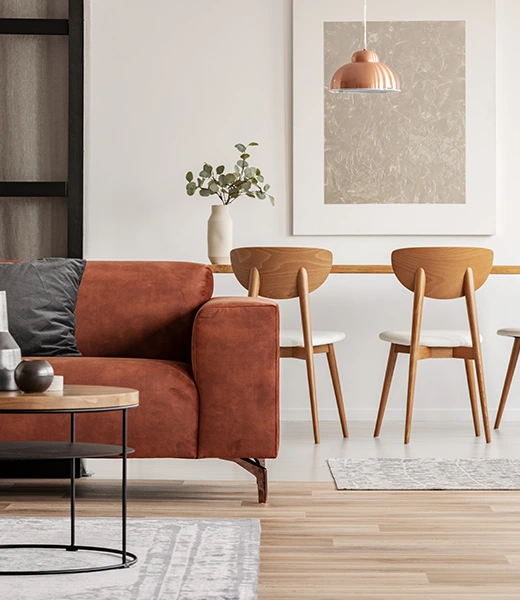
Defining the core vision for your interior
This foundational step translates abstract ideas into a tangible concept. Assembling a mood board with inspirational images, color swatches, and material samples helps to establish a consistent aesthetic direction for the entire project.
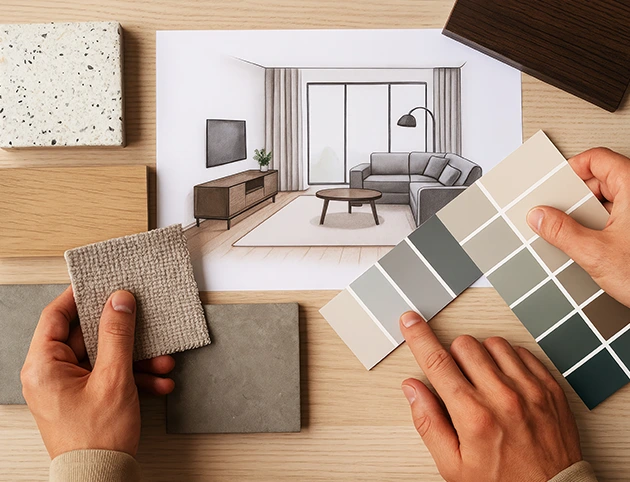
Optimizing the layout for flow and function
A successful floor plan considers how people will move through and use the area. The arrangement of walls, doorways, and large furniture dictates circulation paths and creates a practical, intuitive environment for everyday activities.
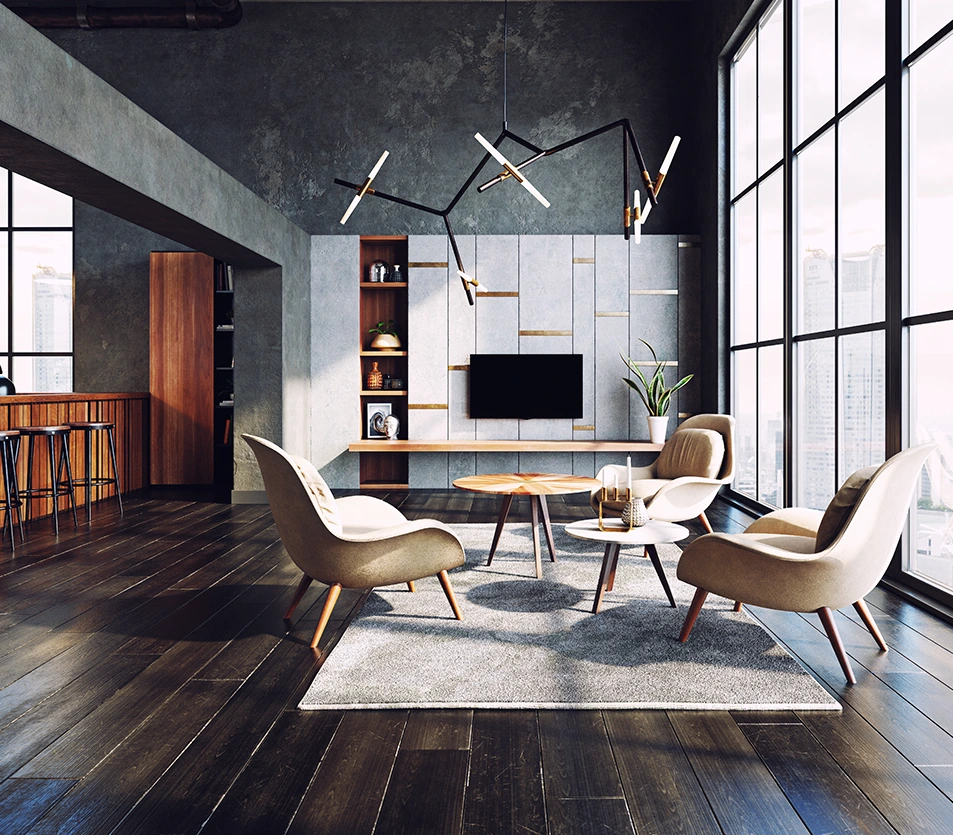
Establishing clear traffic paths
Ensure unobstructed routes between entryways and key areas to prevent awkward navigation.
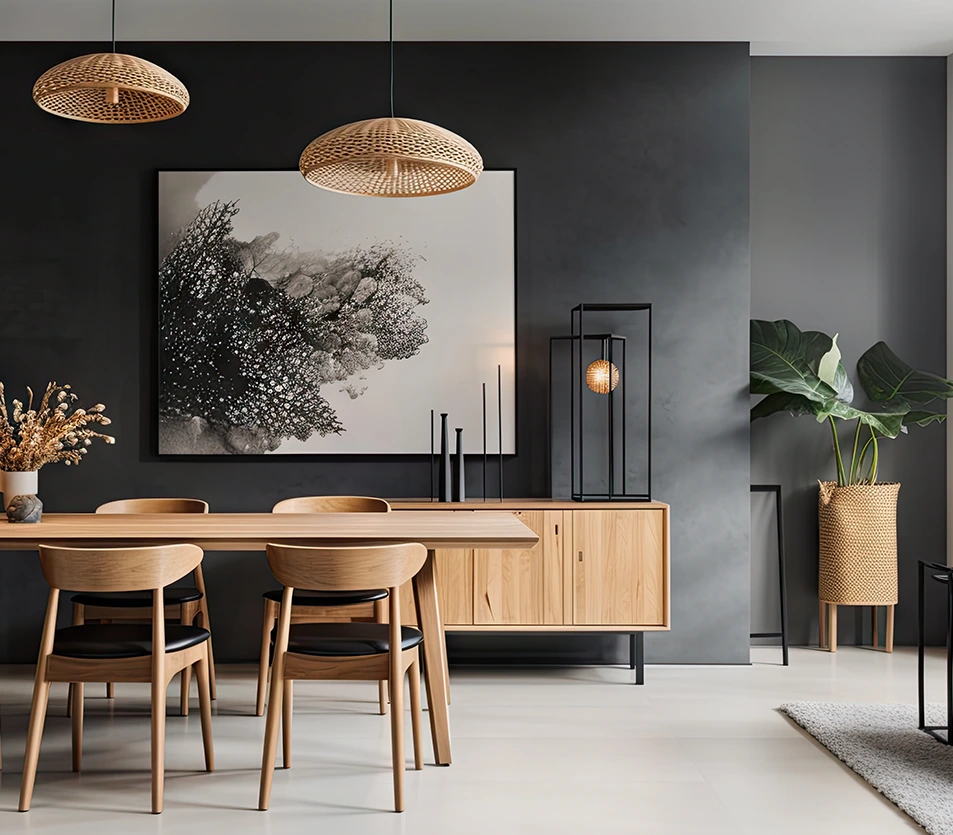
Defining functional zones
Group furniture and elements to support specific activities like dining, working, or relaxing.
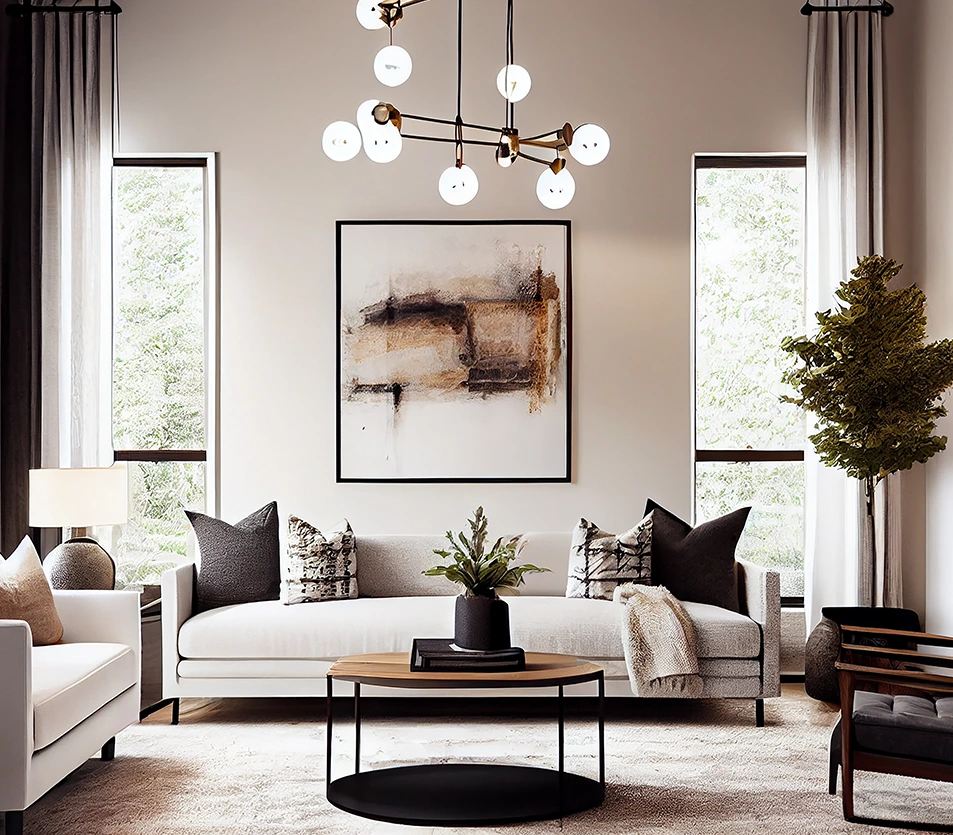
Creating a visual focal point
Draw the eye to a significant feature, such as a fireplace or large artwork.
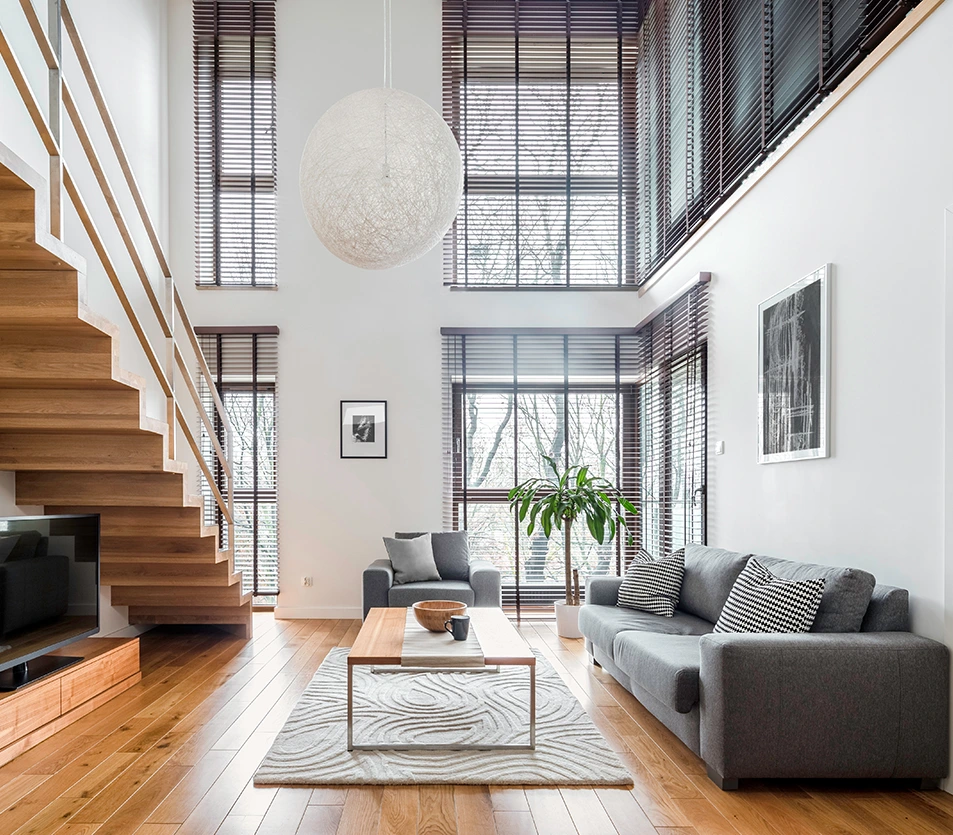
Considering scale and proportion
Select furniture pieces that fit the room’s size without overwhelming or feeling lost.


Maximizing built-in storage
Custom millwork and integrated shelving can reduce clutter while blending seamlessly into the room’s architecture.


Arranging for conversation
Position seating, like sofas and armchairs, to facilitate easy interaction between people without being too distant.


Balancing negative space
Allow for empty areas, or negative space, which gives objects room to breathe and prevents visual chaos.
Selecting fundamental furniture and material elements
The choice of case goods and upholstered items forms the backbone of a room’s utility and comfort. Consider both the ergonomic design of a chair and the durability of its fabric. Pieces like tables, beds, and storage units should serve their purpose while reinforcing the established visual style.
Surfaces underfoot and on walls contribute significantly to the overall sensory experience of the space. Flooring options range from warm hardwood to cool tile, each impacting acoustics and maintenance. Likewise, wall treatments like paint, paneling, or wallpaper add texture, depth, and character to the room’s envelope.
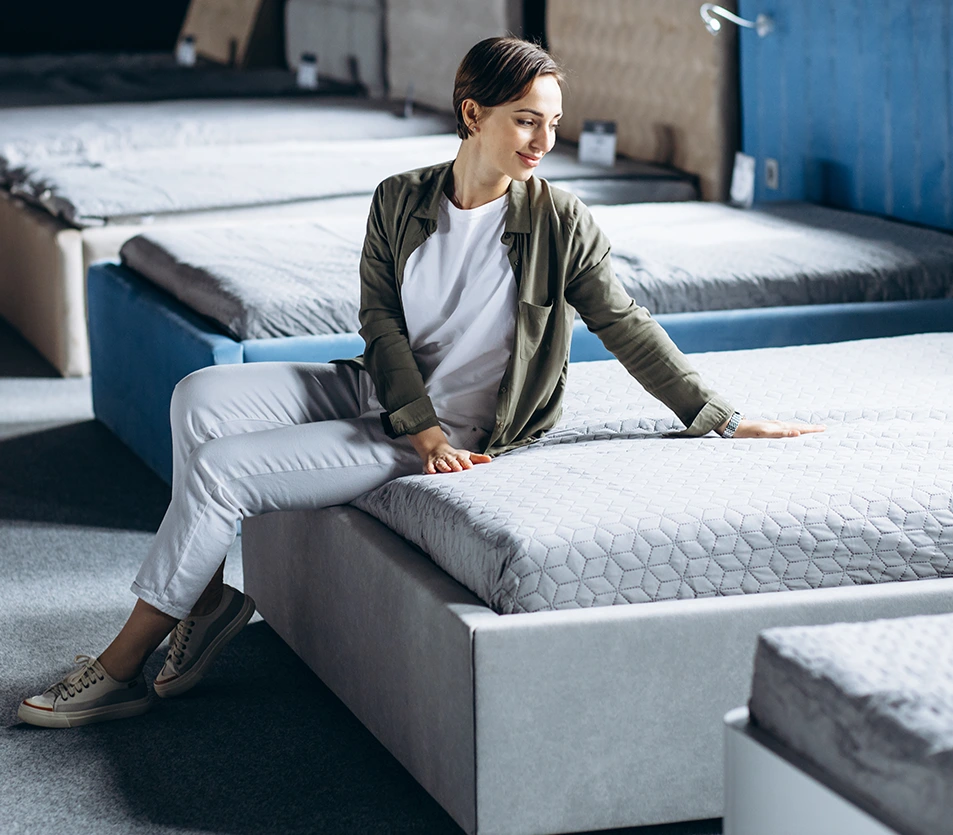
Harmonizing colors to build a cohesive atmosphere
Applying color theory and its psychological impact
Illuminating the space effectively
A well-lit room combines multiple sources to create mood, support activities, and highlight features. Without a thoughtful lighting plan, even the best-designed space can feel flat and uninviting, affecting both its function and ambiance.
01
Establishing ambient light
This provides the overall, general illumination for a room, often from ceiling fixtures or recessed lighting.
02
Integrating task lighting
Focused light for specific activities like reading or cooking, usually from lamps or under-cabinet strips.
03
Adding accent fixtures
This type of lighting draws attention to architectural details, artwork, or other points of interest.
Choosing the final finishes
The final layer of detail comes from the tactile and visual quality of its surfaces. These choices, from paint sheen to cabinet hardware, unify the design and provide the finishing touch that completes the room’s character.
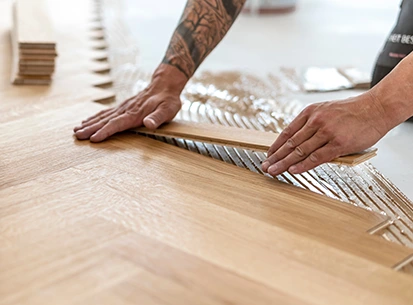
Wall and floor surfaces
The sheen of paint, texture of wallpaper, and material of the flooring significantly impact the room’s look.

Textiles and upholstery
Fabrics for curtains, rugs, and furniture add softness, absorb sound, and introduce pattern or solid color.
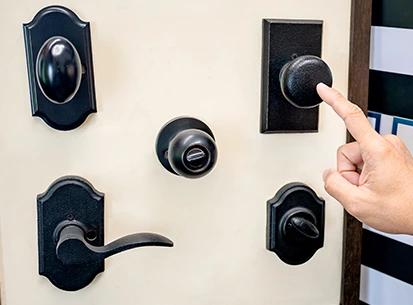
Hardware and millwork
Details like drawer pulls, door knobs, and crown molding provide subtle yet crucial elements of style.